
Solo the Cabin Game
One body, fewer cards, too many time-skips, and a dining room that might never appear.
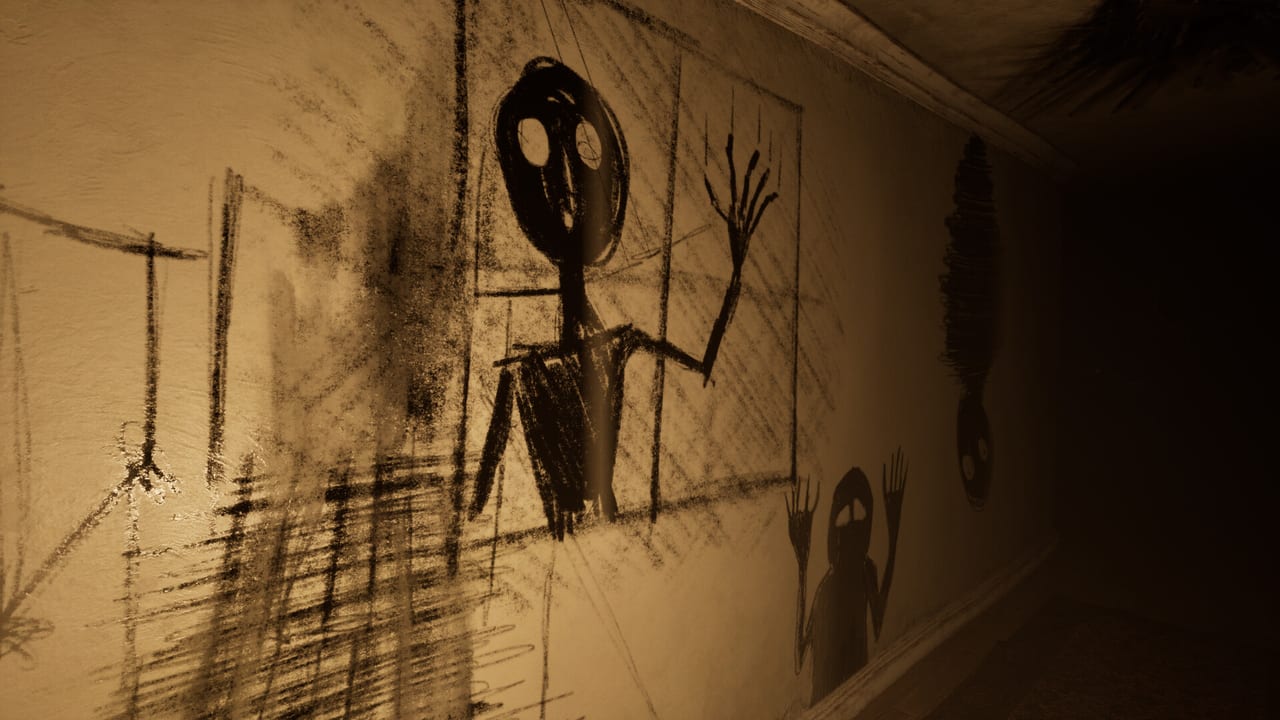
the cabin game supports 1–4 players, solo or online co-op, on Steam Windows. Solo is a real mode, not a disabled lobby. It is also not a four-player night with three empty chairs. Fewer people means fewer cards played, which means the cabin grows slower, investigation evidence arrives slower, and a required Room Card can simply never show. This page is the solo briefing. For the social contract, job splits, and final-hour choice, use Co-op.
The game entered Early Access on 27 August 2026. English is the only interface and full audio; localization is planned. The price is $11.99 USD. Early Access currently ships 30+ cards and 12 monsters. Press M for tips. You do not have a table caller sitting behind you, so the overlay is the closest thing to a second brain.
Solo is a thinner deck, not a harder difficulty slider
In a four-player lobby, four hands feed the round table. Room Cards hit the center faster. Investigation Cards seed more objects. Lifesavers appear in someone else’s grip when your monster pawn is one sector from a tag. Solo, you are the only feed. If the shuffle is stingy, you will walk a small house for a long time and still not own the room the evidence wants.
Player reports from Early Access nights are blunt: too many time-skip cards. A typical complaint is a two-hour run padded with roughly 30 time skips and about 15 rooms. That is not a careful investigation. That is the clock jumping while you still have an empty notebook. Time-skip cards jump the clock itself; they do not place The Dining Room, they do not name the exit, and they do not shove the monster pawn backward. Progress cards are the ones that move the monster marker toward you. Mixing those two types in a solo hand is how 12 o’clock arrives with no identified room.
Put time-skips at the bottom of your spend list. If the card is the only legal play, resolve it, sit down, and get back to rooms or investigation on the next hand. Do not chain skips “to see the next hour.” The next hour is the same cabin with less time.
The dining-room problem
Escape is not a generic front door. You identify one correct room from investigation evidence, then enter it before the clock hits 12 and before the monster pawn catches you. That identity can be a dining room, a living room, a cellar — whatever the evidence names. In solo, fewer cards played means the Room Card that would make that identity walkable might never be drawn.
If the notebook is pointing at a dining-room tell and you never placed a dining room, you cannot enter it. Co-op groups paper over that RNG because four people cycle the deck faster. Solo does not. This is the honest fail state people mean when they say solo can feel impossible. It is not always a skill check. It is a shuffle plus a one-body table.
You still play toward connectivity. A missing room is worse if the rooms you did place are a knot of dead ends. Read room layout and keep every new space on a loop or a short corridor. When the required card finally appears, you need to be able to walk to it under a chase, not admire it from a one-door Cellar.
Fear is quieter between events
Solo has less fear between events. There is no one gasping on voice when a drawer opens. There is no teammate sprinting through The Kitchen while you sit at the table. The cabin is still dangerous when an Event Card fires — Neighbour darkness, Cutting Corner, musical-rooms monkey, Attic Stalker — but the downtime is a walking sim with a ticking rim. That is not automatically easier. Quiet hours are how people sleepwalk into time-skip spam and forget the monster pawn.
Watch both fail states every time you sit down: clock toward 12, monster marker toward you. The First Round Patch added a separate clock audio slider; pull it down so you can think, then still look at the pawns. Audio is not a substitute for vision. Chase speed was reduced, Attic Stalker is more forgiving, totems are droppable, AI unstuck, monkey collision no longer blocks narrow halls, popcorn balls exist in musical rooms, the FPS cap applies, and the forest teleport is maybe-fixed. None of that names the exit. How to Escape is still the win page.
Strategy that still holds in one body
Player consensus does not flip just because the lobby is empty:
- Unlock rooms first and keep them connected. A loop beats a pretty dead end. This is the same rule as co-op, with less margin when a chase starts.
- Then investigation. Evidence is object-dependent. Log presence and absence. Guessing from vibes is how you commit to the wrong Living Room at 11:50.
- Hold lifesavers for the moment the monster pawn is about to tag you, not because a hallway felt spooky.
- Survive events fast and sit back down. Winning a minigame often has no reward. Losing still pulls the ghost closer. Do not greed unread Event Cards while the notebook is empty.
- Do not stall. Stalling feels like solo “safety.” Event Cards can still spawn across the map you built.
Bounce: play, stand, search, sit, play again. That context-switch is the solo skill. Staying seated turns the cabin into a pawn race you will lose. Staying standing turns the table into a bomb you are not watching.
Settings still matter with one client. Low graphics, VSync off, FPS cap on, clock slider polite. Neighbour crashes are worse when there is nobody left in the lobby to continue. If you hitch, you are the whole session.
What solo should not copy from co-op VODs
Do not copy a four-player room flood. You cannot staff two searchers and a caller. Build a small connected cabin you can sweep in thirty seconds, then investigate. Do not spend candy tricks from the Boo Factory on yourself as if grief were content; those treats exist to mess with friends. Do not treat a streamer’s “we escaped the dining room” as proof the card will appear in your shuffle.
Do not skip progress cards knowledge because the page sounds like table theory. In solo, every progress shove is your pawn. Every time-skip is your clock. Unique progress cards are planned on the roadmap; until they exist, you are on generic tax plus a four-leaf clover minigame some players call a pure guess. Play around that RNG. Do not pretend it is a hidden tutorial.
When you are ready to leave, the correct room is still the correct room. A nearby Kitchen will not save you if the evidence named a dining room you never built. That sentence is why this page exists next to How to Escape instead of as a difficulty footnote on Co-op.
First session habits still start on Getting Started. Layout details stay on room layout. If a two-hour skip-padded night is your only solo memory, change the spend order before you change the game.
Frequently Asked Questions
Quick answers about cards, clues, monsters, and escaping the cabin.
Can I play the cabin game completely solo?
Yes. It is 1–4 players, solo or online co-op, on Steam Windows. Solo is thinner: fewer cards hit the table, so a required room may never appear. See Co-op for the four-player version of the same clock.
Why do solo runs last two hours?
Players report too many time-skip cards — on the order of 30 skips and 15 rooms in a long night. Skips jump the clock without adding evidence. Spend rooms and investigation instead. Progress cards explains the pawn versus the skip.
Can a dining-room escape be impossible in solo?
Yes. If investigation names a dining room and that Room Card never draws, you cannot enter it. Fewer people means fewer cards played. Build what you can on a loop (room layout) and do not stall.
Is solo scarier than co-op?
Usually not between events. There is less social fear in the quiet hours. Events can still wipe you. The real solo tax is time-skips, missing rooms, and watching both pawns alone.
Does the first-hour strategy change when I am alone?
No. Unlock connected rooms first, then investigate, then survive events. That is the same order as a full lobby. Details on How to Escape.
Should I buy the game only to play solo?
Only if you accept RNG and long clocks. The $11.99 pitch is strongest as 1–4 co-op. Read the cabin game Review if you are still on the store page.